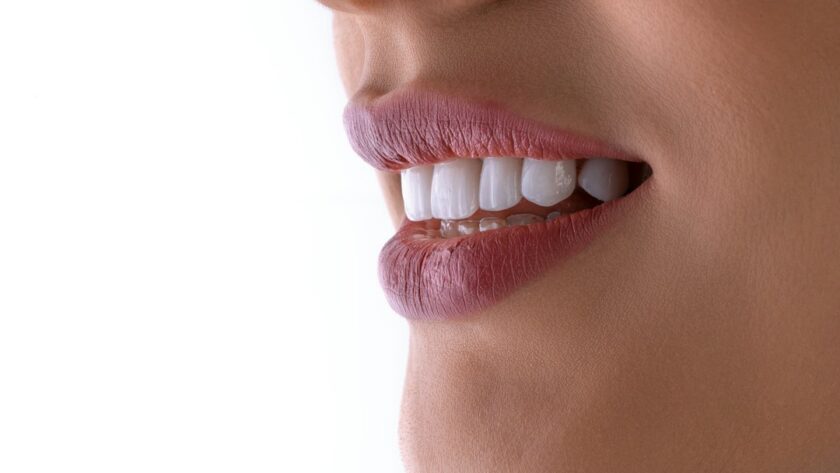
If you’re searching how to whiten teeth fast, the single fastest way is an in‑office whitening treatment that can brighten your smile in one visit.
At home, peroxide whitening strips are the quickest predictable option, usually showing a visible change within 1–3 days; for same‑day improvement, do a thorough clean, avoid staining foods and drinks, and use a whitening pen or an optical brightening toothpaste. Skip acidic or abrasive DIY hacks like lemon, vinegar, crushed charcoal, or straight baking soda, which can wear enamel without truly lightening tooth color.
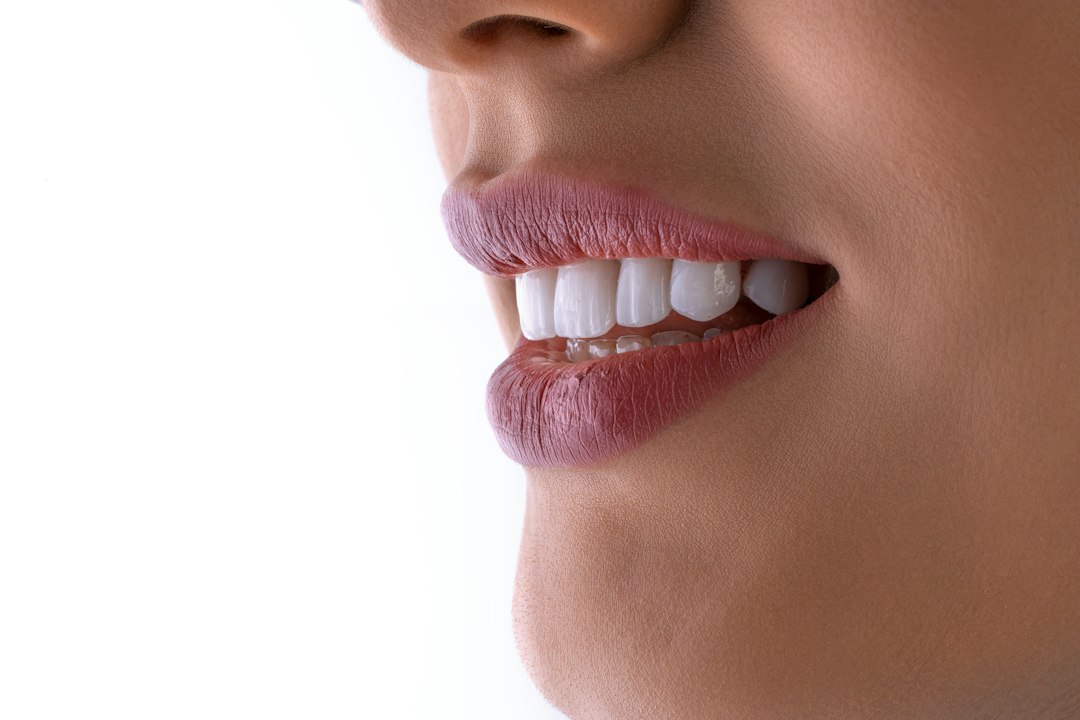
How to whiten teeth fast: your quickest options by deadline
Different deadlines call for different tactics. Here is a clear guide so you can choose what delivers fast, visible change with the least hassle for your situation.
Need results today
The fastest option is an in‑office whitening session with a dentist. These visits use professional‑strength peroxide gels applied in short, supervised intervals. Many people see several shades of improvement in about an hour, though sensitivity can spike for a day or two afterward. If a same‑day appointment isn’t realistic, combine a deep clean at home with optical boosters.
- Do a full clean: brush for two minutes, clean between teeth, then swish water to remove loose pigments.
- Apply an optical brightening toothpaste or mouthwash with blue‑violet tints. These products don’t change internal color but can make teeth look slightly brighter on camera and in person by counterbalancing yellow tones.
- Right before an event, a whitening pen can lift superficial discoloration in visible areas. It’s a cosmetic touch‑up, not a full whitening program.
This week
Peroxide whitening strips are the quickest predictable at‑home route. Reputable strips used once daily usually show a visible change in 1–3 days, with fuller results in 1–2 weeks when you follow the label closely. Custom whitening trays made by a dentist can be faster and more controlled than strips because they hold a higher‑strength gel snugly against teeth while keeping gel off the gums.
What to expect
- Typical shade change: In‑office whitening often brightens several shades in one session. Strips and dentist trays commonly lift 1–3+ shades over 1–2 weeks, depending on the starting color and stain depth.
- Longevity: Results can last months. Color gradually drifts darker again as pigments from foods and drinks build up. A short “top‑up” with strips or trays later can refresh brightness.
- Sensitivity: Temporary sensitivity is common, especially with faster methods. Switching to a toothpaste for sensitive teeth, spacing sessions, or using a lower‑strength gel can help you stay comfortable.
Costs and caveats at a glance
Costs vary by brand, location, and strength. In the U.S., in‑office sessions are often a few hundred dollars or more. Over‑the‑counter strips tend to be a few dozen dollars per box, and custom trays from a dentist usually land between those two. Dental restorations such as crowns, veneers, and bonded fillings do not whiten; plan around them with shade‑matching or stain‑control strategies. If you have active tooth pain, gum issues, or severe wear, get professional advice before starting any whitening routine.
24‑hour plan to look whiter by tomorrow
This mini‑plan uses safe, accessible steps that improve the look of your smile quickly, without risky scrubs or harsh acids.
Morning
- Brush for two minutes with a stain‑removing toothpaste and a soft brush. Focus on the gumline and the back surfaces where pigments cling.
- Clean between teeth. Removing trapped pigments immediately makes the edges look cleaner and the smile brighter.
- Rinse with water. This sweeps away loosened debris and primes teeth for the day.
Daytime
- Alternate sips of water with coffee or tea. If your drink is cold, use a straw to lower contact with front teeth.
- Choose lighter‑colored foods at lunch. Avoid heavy stainers like dark berries, soy sauce, tomato paste, and curry for the rest of the day.
- Carry water and swish after meals. It’s a simple way to limit new pigment sticking to enamel.
- Do not attempt acidic or abrasive DIY hacks such as lemon juice, vinegar, charcoal scrubs, or frequent baking soda pastes. These can wear the enamel surface and may make teeth look dull over time.
Evening
- Apply a peroxide whitening strip as directed on the label. Wipe saliva away before placing the strip so it adheres well. Do not stack sessions back‑to‑back; pacing helps comfort and consistency.
- Use a toothpaste formulated for sensitivity if you’re prone to zings. This can help you continue your plan without discomfort.
Event‑time touch‑ups
- Minutes before photos, swipe a whitening pen on the upper front teeth and let it set per label. The boost is cosmetic and short‑term but camera friendly.
- Optical brighteners help, and so do styling tricks: blue‑toned lip color and brighter clothing can make teeth appear whiter in contrast.
24‑hour whitening checklist
- Pre‑clean routine: two‑minute brush, clean between teeth, water rinse
- Daytime do’s: water between sips, straw for iced drinks, lighter‑colored meals
- Daytime don’ts: acidic or abrasive hacks; avoid heavy stainers
- Evening routine: one label‑length strip session; switch to sensitivity toothpaste if needed
- Event‑time boosts: whitening pen and blue‑hue products or lip color
Want a deeper at‑home guide after this quick plan? See Teeth Whitening at Home: A Practical Guide to Products, Comfort, and Maintenance and our list of gentle ideas in Natural Teeth Whitening Tips for a Brighter Smile at Home.
At‑home methods that work fastest (and how to use them safely)
Peroxide whitening strips
Pick reputable strips with wear times that fit your day. Dry teeth with a tissue before applying, press the strip firmly along the edges, and avoid eating or drinking during the session. Consistency beats overuse; do not stack extra sessions to speed things up. If sensitivity flares, pause for a day, switch to a sensitivity toothpaste, and resume the next day. Most people notice change in 1–3 days with daily use.
Custom trays from a dentist
Custom trays are molded to your teeth and paired with gels at strengths tailored to your comfort. Because the fit is snug, gel stays where it needs to be, delivering faster, targeted whitening than many over‑the‑counter options. Your dentist can adjust gel strength and timing if sensitivity pops up, and advise on how to protect the gumline.
Whitening toothpastes and mouthwashes
These are great for managing surface discoloration. They contain mild polishing agents or tinting ingredients that help your smile look brighter, especially when you consistently remove new pigments before they build up. They are not quick solutions for changing internal tooth color, so pair them with strips or trays when you want faster, bigger changes.
Methods to avoid
Lemon juice, vinegar, crushed charcoal, and frequent DIY baking soda pastes can wear the enamel surface and irritate gums. They may scrub away some surface discoloration temporarily but do not change the internal color that makes teeth look naturally lighter. Stick with peroxide‑based options designed for teeth and follow label directions.
For smile‑routine basics that support whitening, check out Your smile care routine: simple steps for confident daily care and classic tips in Tips On How To Whiten Your Teeth.
What actually whitens vs what just de‑stains
To understand speed and results, it helps to know what whitening really means. Teeth pick up two types of discoloration:
- Extrinsic (surface) stains: pigments on the outer enamel from coffee, tea, red wine, cola, tobacco, curries, soy sauce, tomato‑based sauces, and more. Polishing and stain‑control toothpastes help here.
- Intrinsic (internal) color: the natural hue inside the tooth. Peroxide gels break down deep‑set pigments within the tooth structure, which is what changes the apparent shade most noticeably.
Only peroxide‑based whitening changes internal color. Polishing products and a professional cleaning can make a smile look fresher fast by removing surface gunk, but they will not shift internal shade.
Some stains change slower. Grayish tones, deep tetracycline‑related discoloration, or age‑related darkening may need longer or alternative strategies. In those cases, a dentist can tailor a plan, or discuss cosmetic options such as veneers if appropriate for your situation.
Important limits: existing dental work does not whiten. Crowns, veneers, and fillings stay the same shade; plan around them to avoid a color mismatch. If you have cavities or gum concerns, get guidance from a dental professional before you start a whitening routine.
Make results last and reduce new stains
Once you’ve brightened your smile, small daily habits make a big difference in how long it looks that way.
- Follow the 2‑2‑2 rule: brush twice a day for two minutes and get routine dental checkups roughly twice a year. This keeps plaque and surface pigments from building up.
- Know the top stainers: coffee, black tea, cola, red wine, dark berries, tomato paste, curry, balsamic vinegar, soy sauce, and tobacco products. If you enjoy them, sip water between sips and bites, and consider a straw for iced drinks.
- Timing matters: Avoid all‑day sipping of dark drinks. Enjoy them in a short window, then rinse with water to minimize contact time.
- Maintain consistency: Use a stain‑control toothpaste and clean between teeth daily. A short refresh with strips or trays every few months can help you maintain your preferred shade.
Compare fast teeth whitening options
| Method | Speed to first results | Time to full results | Typical shade change | Longevity of results | Works on | Sensitivity risk | Typical cost (US) | Effort |
|---|---|---|---|---|---|---|---|---|
| In‑office professional whitening | Immediate (same visit) | 1 visit | Several shades | Months, varies by habits | Intrinsic and surface | Medium to high | Often $300–$1,000+ (varies) | Low (appointment only) |
| Dentist‑provided custom trays | 1–3 days | 1–2 weeks | 1–3+ shades | Months, with easy top‑ups | Intrinsic and surface | Low to medium (adjustable) | Often $150–$400+ (varies) | Medium (nightly wear) |
| Over‑the‑counter peroxide strips | 1–3 days | 1–2 weeks | 1–3 shades | Months, with top‑ups | Intrinsic and surface | Low to medium | Often $20–$50 per box | Medium (daily sessions) |
| Whitening pen | Minutes (cosmetic) | Not a full program | Subtle, short‑term | Hours to a day | Surface appearance | Low | Often $5–$30 | Low |
| Whitening toothpaste/mouthwash | Days to weeks | Ongoing use | Subtle | Ongoing | Surface stains | Low | Often $4–$15 | Low |
| Professional cleaning and polish | Immediate | 1 visit | Removes surface discoloration | Weeks to months | Surface only | Low | Varies by office | Low |
Quick pick guide
- Deadline: Today → in‑office; This week → strips or custom trays.
- Budget: Tight → reputable strips; Flexible → in‑office for instant change.
- Sensitivity: Prone to zings → start with lower‑strength strips or custom trays with guidance; space sessions and use a sensitivity‑friendly toothpaste.
FAQs about whitening fast
What foods stain your teeth the most?
Top stainers include coffee, black tea, red wine, cola, dark berries, pomegranate, tomato paste and sauces, curry, balsamic vinegar, soy sauce, and tobacco products. These contain intense pigments that cling to enamel. If you enjoy them, sip water between sips or bites and avoid nursing dark drinks for hours.
What is the 2‑2‑2 rule for teeth?
Brush twice a day for two minutes and have routine dental checkups about twice a year. This simple routine supports cleaner enamel, better control of surface stains, and easier upkeep of whitening results.
Is baking soda safe for whitening teeth?
Baking soda appears in many toothpastes at balanced levels, but frequent DIY pastes can be abrasive, especially if applied with heavy pressure. It is not the fastest way to whiten and is not needed when you have well‑designed whitening products. If you use it, keep it infrequent and gentle.
How do I whiten my teeth in 24 hours?
For a realistic 24‑hour boost: do a thorough clean in the morning, avoid heavy stainers and all‑day sipping of dark drinks, use an optical brightening toothpaste, then apply one label‑length whitening‑strip session in the evening. Add a whitening pen right before photos. This plan improves appearance fast, and continued daily strip use for several days builds more noticeable change.
Do whitening toothpastes actually whiten?
They help remove and control surface discoloration, making teeth look fresher, but they do not quickly change the internal color the way peroxide gels do. Use them to maintain results from strips, trays, or in‑office whitening.
With the right match to your deadline and comfort level, you can make smart progress quickly and keep that brightness with steady, simple habits.