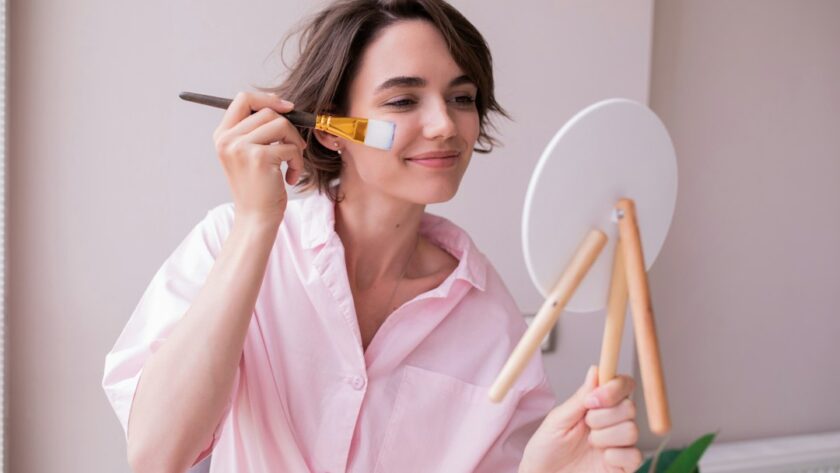
If you’ve ever tried to piece together an acne skincare routine and felt lost between marketing buzzwords, ingredient percentages, and conflicting advice, you’re not alone. Skin that breaks out easily can still look calmer and feel comfortable when you build a plan that fits your day, your budget, and your skin’s tolerance. This guide translates the jargon into simple steps you can keep up with for months, not days, so you can reduce pore congestion, support a balanced barrier, and see steadier progress without extremes.
What “clearer skin” really means for everyday life
Acne-prone skin lives on a spectrum. Some people mostly get tiny clogged bumps that show up under certain conditions (after a long run in a sweaty mask, for example), while others experience frequent inflamed spots that linger. Because the range is wide, “clear” means different things for different faces. For one person, clearer skin means fewer red bumps and less tenderness. For another, it means fewer whiteheads and a smoother surface under bright light. That’s normal.
When you define what success looks like for you, your plan becomes easier to follow. Consider these questions before you buy a single product:
- What are the main types of breakouts you see (small clogs, red inflamed spots, deep tender bumps)?
- Where do they cluster (T-zone, cheeks, chin, back, chest)?
- What tends to set them off (fragrance, heavy oils, sweat, certain sunscreens, stress, long workdays)?
- What’s your realistic morning and evening time budget (3 minutes, 5 minutes, 10 minutes)?
- How sensitive is your skin to new products (does it sting easily, flush from heat, or get tight after washing)?
“Clearer” also involves comfort. Skin that feels calmer and less reactive, even if the occasional spot still appears, is a win. The goal of your routine is consistency, not perfection. Sustainable progress comes from a balanced approach: gentle cleansing, strategic exfoliation, targeted actives used at tolerable frequencies, daily sun protection, and moisturizers that support your barrier instead of weighing it down.
The acne skincare routine: morning and night
Think in layers, not miracles. Each step has a job. When each job is simple and repeatable, skin tends to cooperate better. Below is a baseline plan you can adapt. If you already own products, match them to the roles rather than rushing to replace everything at once.
Morning: protect, hydrate, and reduce daytime buildup
- Cleanse (optional or gentle): If you wake up feeling oily or sweaty, use a mild gel or lotion cleanser and rinse with lukewarm water. If you wake up balanced and comfortable, splash-rinsing is often enough; over-cleansing can push skin to feel tight.
- Water-based serum (optional): A lightweight hydrating serum with glycerin or hyaluronic acid can help reduce midday tightness and keep your moisturizer layer thinner. If you use a pore-focused ingredient in the evening, a simple hydrator in the morning is often all you need.
- Moisturizer (non-comedogenic): Look for language like “oil-free,” “lightweight,” or “won’t clog pores.” If your skin is on the drier side, choose a lotion; if it’s oilier, a gel-cream may feel better. Ingredients like niacinamide can help with the look of redness and excess shine.
- Daily sunscreen: Sun protection supports comfort and steady progress. Choose a lightweight formula you actually enjoy using, whether that’s a fluid chemical filter blend or a sheer mineral option. Daily wear helps the rest of your routine feel worthwhile, especially if you use exfoliating acids or retinoids at night.
Evening: cleanse thoroughly, then apply your focused step
- Cleanse (thorough but gentle): If you wear sunscreen and makeup, consider a two-step cleanse: an oil or micellar step to loosen sunscreen and pigments, followed by a mild water-based cleanser. If you skip makeup, one gentle cleanser is usually fine. The goal is a clean surface without squeakiness.
- Targeted step (1–4 nights per week first, then adjust):
- Salicylic acid (BHA) can dissolve buildup inside pores and is a flexible option for most people who get frequent clogs or shiny T-zones.
- Benzoyl peroxide (BP) helps keep breakout-prone areas calmer; many people use it as a leave-on gel in thin layers, focusing on zones that flare up most.
- Retinoid (such as adapalene) supports surface renewal and can be part of a steady, long-term plan once your skin tolerates it.
Choose one primary night focus to start. Alternating too many actives at once can make skin grumpy.
- Moisturizer: Seal in comfort with a light, non-greasy lotion or gel-cream. If your skin stings from actives, sandwich them between two thin layers of moisturizer until your skin becomes more comfortable.
Keep your routine short enough that you don’t dread it. Three to four steps you’ll use consistently beat a complicated line-up that sits on the shelf after week two.
Ingredient map: what does what, and how to introduce it
Reading a label can feel like deciphering a code. Here’s a practical map with plain-English roles and introduction tips. The point isn’t to use everything; it’s to match roles to needs and use a frequency your skin handles comfortably.
Salicylic acid (BHA)
Role: Oil-soluble exfoliant that moves into pores and helps dissolve debris. Works well for blackheads, clogged bumps, and shiny T-zones. Typical over-the-counter strengths range around 0.5–2%.
How to start: Try it 2–3 evenings per week on clean, dry skin. If your skin feels tight, apply a light moisturizer first, then BHA after a few minutes, or buffer by mixing a drop of your moisturizer with the acid in your palm right before applying. Adjust frequency up or down based on comfort.
Benzoyl peroxide (BP)
Role: Helps keep breakout-prone areas calmer when used as a thin, even layer. Common leave-on gels range around 2.5–5%. Higher percentages are not always more comfortable or more helpful; many people do well with the lower end.
How to start: Introduce 2–3 nights per week, on alternate days from acids or retinoids. Use a pea-sized amount for the whole face or a grain-of-rice amount for small zones. It can be drying and may bleach fabrics, so let it dry before bed and use white pillowcases.
Retinoid (such as adapalene)
Role: Supports surface cell turnover and can help with the look of lingering marks and uneven texture over time. Start low and slow to help your skin acclimate.
How to start: Begin 1–2 nights per week, buffered between thin layers of moisturizer if needed. Gradually increase only when your skin feels fine—no stinging, no weeks-long dryness. Some people prefer seasonal use (more in cooler months, less in peak summer) based on comfort.
Niacinamide
Role: A versatile ingredient that supports a more even-looking tone and reduces the look of excess shine. Often found in moisturizers and serums between 2–5%.
How to start: Morning or night is fine. It layers easily with most steps and is a good “bridge” ingredient when you’re not ready for a new active but want a bit more from your moisturizer or serum.
Azelaic acid
Role: Helps with the look of redness and uneven tone and can be a gentle option for those who flush easily. It works well in routines that avoid heavy fragranced products.
How to start: Consider it as an alternative to BHA or as a separate night on its own. Use 2–5 nights per week depending on comfort.
What not to stack on the same night (especially early on)
- A strong acid plus a retinoid on the same evening if you’re new to either.
- Multiple leave-on exfoliants layered on top of each other.
- Strong scrubs and peels in the same week you’re building a new plan.
If your face starts to sting or feel tight, scale back. The right frequency is the one your skin actually tolerates—some people do well with three active nights a week; others prefer one or two. Comfort first, calendar second.
Patch testing, ramp schedules, and skin comfort
Introducing new actives slowly is less exciting than dramatic “before and after” photos, but it’s what many people find they can live with for months. A few practical tactics help you learn what your face actually likes.
Patch test basics
- Choose a discreet area such as behind the ear or along the jawline.
- Apply a small amount of the new product once daily for 3–4 days.
- Watch for prolonged burning, persistent redness, or intense dryness. Mild tingling can happen with acids, but it should settle quickly.
- If things feel fine, move to full-face use at the lowest frequency (for example, BHA twice a week).
Ramp schedule examples
Here are templates you can adapt. The idea is to start slower than you think you need to, then increase only when your skin feels comfortable.
- BHA ramp: Weeks 1–2: 2 nights/week → Weeks 3–4: 3 nights/week → Maintain there or drop back if tightness appears.
- BP ramp: Weeks 1–2: 2 nights/week on usual flare zones → Weeks 3–4: 3 nights/week as a thin, even layer → Maintain at the lowest frequency that keeps things calmer for you.
- Retinoid ramp: Weeks 1–2: 1 night/week, sandwiched with moisturizer → Weeks 3–4: 2 nights/week → Week 5+: consider 3 nights/week only if your skin feels settled.
Comfort boosters when ramping
- Moisturizer sandwiching: Thin layer before and after the active step to soften the impact.
- Dry-skin application: Applying actives to dry skin can be more comfortable than to damp skin.
- Rest nights: Build at least one night each week with only cleanser and moisturizer.
- Water temperature: Use lukewarm water; hot water can make dryness and redness feel worse.
Sunscreen decoded for breakout-prone skin
Daily sunscreen helps your routine feel coherent over time, especially if you use acids or retinoids at night. The challenge is finding something that feels breathable, sits well with makeup (if you wear it), and doesn’t feel heavy on warm days.
Texture and finish guide
- Gels and fluid lotions: Often feel lightest and are popular for oily or combination skin.
- Gel-creams: A good middle ground if you want a soft finish without noticeable residue.
- Lotions with a hint of tint: Can minimize the look of redness and reduce white cast, especially in mineral formulas.
Filter choices
- Chemical (organic) filters: Usually feel lighter and may layer more easily under makeup. Look for newer blends marketed as “sheer” or “weightless.”
- Mineral (inorganic) filters: Zinc oxide and titanium dioxide can be comfortable for redness-prone faces. Sheer or tinted versions help reduce visible cast.
How to test for everyday wearability
- Try it on a gym day or during a walk to see how it behaves with sweat.
- Layer it over your usual morning moisturizer to check for pilling.
- Give each sunscreen at least three tries in different weather before you decide.
Whichever finish you prefer, prioritize reapplying during long outdoor days. A small travel-sized tube in your bag makes consistency easier.
Build a base kit at any budget
You don’t need a dozen steps or a designer shelf to build a good plan. Focus on roles, not brands. Here’s a reliable four-part kit you can assemble at various price points, plus a simple method to compare options.
1) Cleanser
- Budget: A simple, fragrance-free gel or lotion cleanser that rinses clean without a squeak.
- Mid-range: A pH-balanced gel with mild surfactants and added humectants for comfort.
- Splurge: A silky gel-lotion hybrid with soothing extracts and clinically tested mildness.
2) Focused night step
- Budget: A basic 2% salicylic acid liquid or a 2.5% benzoyl peroxide gel.
- Mid-range: A time-released BHA gel or a low-strength retinoid with barrier-supporting agents.
- Splurge: A micro-encapsulated retinoid-lipid blend designed for comfortable, gradual use.
3) Moisturizer
- Budget: A light, oil-free lotion with glycerin and panthenol.
- Mid-range: A gel-cream with niacinamide and lightweight emollients for a soft finish.
- Splurge: A barrier-supporting lotion with ceramides and a fast-absorbing, non-greasy feel.
4) Daily sunscreen
- Budget: A lightweight, fragrance-free fluid that plays well under makeup.
- Mid-range: A gel-cream with additional antioxidants for urban living.
- Splurge: A thin, elegant fluid with a skin-like finish and minimal cast.
Simple comparison grid for shopping
- Texture: Gel, gel-cream, lotion.
- Finish: Matte, soft-matte, natural.
- Scent: Fragrance-free if you flush easily.
- Size and cost per use: Divide price by milliliters; higher upfront cost may still be good value if the bottle is larger.
- Comfort after 7 days: Keep or swap based on how your skin feels, not just day-one impressions.
Buy the textures you enjoy, because you’ll actually use them. A $12 gel you like beats a $60 cream you avoid because it feels heavy. If you already own a product that fits a role and doesn’t irritate you, use it up before you replace it. That habit alone keeps routines stable and budgets intact.
Adjust for skin type, climate, and context
“Acne-prone” can be oily, combination, or dry-dehydrated. Climate, hormones, and lifestyle all influence how skin behaves. Use the ideas below as dials you can turn up or down.
Oily or combination
- Consider a lightweight gel moisturizer and add a drop of facial oil only on dry patches if needed.
- Use BHA more consistently on the T-zone; keep cheeks gentler if they rarely break out.
- Blot with thin tissues during the day rather than re-washing; frequent cleansing can invite rebound shine.
Dry or easily tight
- Pick a cushiony lotion cleanser in the evening and avoid hot water.
- Buffer actives with a thin moisturizer layer first (the “sandwich” method).
- Look for humectant-rich formulas (glycerin, hyaluronic acid, beta-glucan) and top with a light gel-cream to seal in water.
Very sensitive or redness-prone
- Introduce one variable at a time with a gap of 7–10 days before adding the next.
- Prioritize fragrance-free products and simple ingredient lists.
- Consider azelaic acid nights instead of frequent BHAs; many find it gentler when redness is top of mind.
Climate and seasons
- Hot and humid: Lighter textures, more emphasis on cleansing away sweat, and a breathable sunscreen finish.
- Cold and dry: More cushion in your moisturizer, a softer cleanser, and extra patience when introducing retinoids.
- Travel: Mini bottles of familiar basics. Avoid experimenting with new strong actives on trips.
Makeup, shaving, and haircare that play nice with your routine
The products that live near your face matter as much as what you put directly on it. A few adjustments make it easier to keep pores looking clearer without sacrificing your preferred style.
Makeup choices
- Base products: Look for “non-comedogenic,” “oil-free,” or “lightweight” on labels. Build coverage in thin layers rather than one thick coat.
- Removal routine: Long-wear makeup may need a two-step cleanse (oil or micellar, then gel). Spend an extra 10–15 seconds on the hairline and jawline, where residue often lingers.
- Brush and sponge hygiene: Clean tools weekly with a gentle soap, then rinse and let them dry fully to reduce residue transfer.
Shaving and facial hair
- Use a slick, cushioning shave medium and a sharp blade. Light pressure beats pressing hard.
- Rinse with lukewarm water and follow with a light lotion. If ingrowns are common along the beard line, many people find a BHA applied the next evening helps keep that area smoother-looking.
Haircare near the face
- Pomades, thick waxes, and heavy oils can migrate to the forehead and temples. If you love them, pull hair back during application and wipe the hairline with a damp cloth afterward.
- Cleanse the hairline well at night, especially if you use dry shampoo or texturizing sprays.
Daily habits and environment tweaks that support calmer-looking skin
Routines don’t stop at the bathroom mirror. A few small habits outside of skincare can lower the chance of clogged pores and calm the overall picture.
- Hands off face: Touching transfers oils and grime. If you have a desk habit of resting your cheek on your hand, switch to a small cushion or adjust your setup.
- Change pillowcases regularly: Swap them a couple of times a week, especially if you use hair oils or heavy styling products.
- Choose breathable workout wear: Post-gym rinse or shower sooner rather than later, and use a gentle body wash on breakout-prone chest and back areas.
- Mind your hairline: Keep haircare off the skin as much as possible and cleanse the hairline well.
- Shave with care: Use a sharp blade, lubrication, and light pressure. Rinse your razor often and store it dry to keep it clean between uses.
- Manage everyday stress: Short walks, breathwork, and consistent bedtimes can help your overall skin pattern behave more predictably.
- Eat regularly and drink water: Rigid rules are not necessary. A steady routine of meals and hydration can help you feel better and keep your plans consistent.
None of these are magic switches. They’re friction-reducers that make your other steps work more smoothly in the real world.
Troubleshooting and maintenance timelines
Think of your routine like a simple recipe. If the result isn’t what you hoped for, change one thing at a time and give it a bit of time to show what it can do. The sections below offer a measured cadence for adjusting your plan without whiplash.
After 2 weeks
- Feeling tight or stingy? Buffer your active between thin layers of moisturizer or reduce frequency to once weekly until comfortable. Consider swapping to azelaic acid nights if redness is your biggest concern.
- Oilier than usual? Keep moisturizer light and check your sunscreen finish; some formulas feel dewy. Try blotting papers or a tissue press at midday.
- New tiny clogs along the jawline? Revisit your makeup removal step and tool cleaning routine; residue often hides at the edges.
After 4 weeks
- Still seeing frequent new clogs? Consider shifting your active nights toward BHA if you aren’t using it yet, or increase BHA from two to three nights per week if your skin feels fine.
- Red, inflamed spots keep showing up on the same zones? A thin even layer of a lower-strength BP gel on your usual problem zone 2–3 nights per week may help keep things calmer. Patch test on a small area first and watch how your skin feels.
- Texture feels rough even on rest nights? Make sure your cleanser isn’t too strong; sometimes a softer cleanser and a slightly richer moisturizer bring more comfort than adding another exfoliant.
After 8–12 weeks
- Texture looks uneven and marks linger? If your skin is comfortable, consider adding a retinoid night or gradually increasing its frequency (for example, from once weekly to twice weekly) while continuing to buffer as needed.
- Frequent tender bumps or widespread marks? This is a good point to consult a licensed professional for personalized guidance and options that match your history and skin goals.
- Plateaued progress? Some people rotate focus nights across months (for example, BHA-heavy month followed by more retinoid-focused weeks) while keeping cleanser, moisturizer, and sunscreen steady.
Whatever you adjust, keep your cleanser gentle, your moisturizer consistent, and sunscreen steady. Those three keep your baseline stable while you experiment with one variable at a time.
Body care for chest and back
Breakouts don’t just happen on the face. If your chest or back joins the party, adapt the same playbook with body-friendly textures.
- Post-workout rinse: A quick shower after sweaty sessions helps remove residue that can build up in tight clothing.
- Body wash with BHA: A gentle, fragrance-free wash that includes salicylic acid can help keep pores clearer-looking on the body. Let it sit for a minute before rinsing.
- Light lotion: Choose breathable, fast-absorbing formulas labeled “non-comedogenic.” Apply after showering while skin is slightly damp.
- Back application trick: Use a long-handled lotion applicator or a clean microfiber towel to spread product evenly across hard-to-reach areas.
Label reading and shopping without overwhelm
Labels can look like a chemistry class, but a few patterns go a long way. You don’t need to memorize every ingredient; you need to spot the features that matter for acne-prone skin.
- Look for “non-comedogenic” or “won’t clog pores.” It’s a useful filter when you’re browsing, though individual skin responses can still vary.
- Prefer fragrance-free when sensitive. If your skin flushes easily, fragrance-free basics reduce one common source of irritation.
- Scan for lightweight textures. Words like “gel,” “fluid,” and “light lotion” usually point to comfortable finishes for breakout-prone faces.
- Spot common actives. BHA, niacinamide, azelaic acid, and retinoids show up in reliable formulas. Pick one primary focus for nighttime and keep the rest simple.
- Avoid heavy occlusives on problem zones. Dense balms have a place for windburn and harsh winters, but consider using them only on dry patches, not the whole T-zone.
When comparing two similar products, look at the first five ingredients (they’re often present at the highest amounts), the texture claim, the finish type, and the price per milliliter. If both sound good, choose the one you’ll actually use daily.
A realistic 90‑day plan you can follow
Short campaigns rarely change much for skin that likes to form clogs. A three-month horizon provides enough time to settle into habits, adjust frequencies, and see how your face responds to a calm, consistent rhythm. Use this template and modify it to your week.
Weeks 1–4: foundation and comfort
- Morning: Splash rinse or gentle cleanse → light hydrator (optional) → non-comedogenic moisturizer → daily sunscreen.
- Evening: Gentle cleanse → one focus night (BHA or BP or retinoid, 2 nights per week to start) → moisturizer. One “rest night” with only moisturizer.
- Habits: Pillowcase swaps twice weekly, tools cleaned weekly, hands off face.
- Photos: Take a quick photo in the same light once a week to see trends you might miss day-to-day.
Weeks 5–8: dial in your focus step
- If comfort is good, increase your chosen active to 3 nights per week. Keep rest nights.
- Evaluate sunscreen finish and swap if it feels heavy midday.
- Consider adding niacinamide in the morning if shine and redness are big concerns.
Weeks 9–12: refine gently
- If texture still looks uneven and your skin is comfortable, add a retinoid night or increase its frequency by one night per week.
- Keep your cleanser and moisturizer unchanged; let your face enjoy some stability while you test one variable at a time.
- Note any seasonal shifts in comfort and tune textures accordingly (lighter in heat, cushier in cold).
At the end of 90 days, review photos and notes. Keep what worked, reduce what felt harsh, and ignore distractions that didn’t matter. The simplest plan you’ll do consistently is the one that tends to deliver the most steady progress.
When it’s time for professional guidance
Skincare can accomplish a lot, but it doesn’t have to carry everything alone. Consider reaching out to a licensed dermatologist or qualified skincare professional if you experience deep, painful breakouts, widespread scarring, or persistent concerns that don’t settle with consistent over-the-counter steps and gentle habits. A professional can review your history, discuss options, and help you set expectations and a plan that fits your life.
If you want more practical skincare reads, you can always visit our home base at groominghealthplan.com for fresh guides and routines.
Your simple, sustainable blueprint
Here’s the whole plan, distilled into a checklist you can keep on your mirror:
- Morning: Cleanse if needed → light hydrator (optional) → non-comedogenic moisturizer → daily sunscreen.
- Evening: Gentle cleanse → one focus step (BHA, BP, or retinoid on separate nights) → moisturizer. Buffer if needed.
- Weekly: Adjust active frequency based on comfort; keep one “rest night” with only moisturizer.
- Ongoing: Hands off face, fresh pillowcases, breathable workout wear, mindful hairline products, consistent sleep window.
- Mindset: Progress over perfection. Small steps, repeated, beat big swings.
Choose a plan you can stand behind on a busy Tuesday night. That’s the routine that tends to work—because you’ll actually do it.