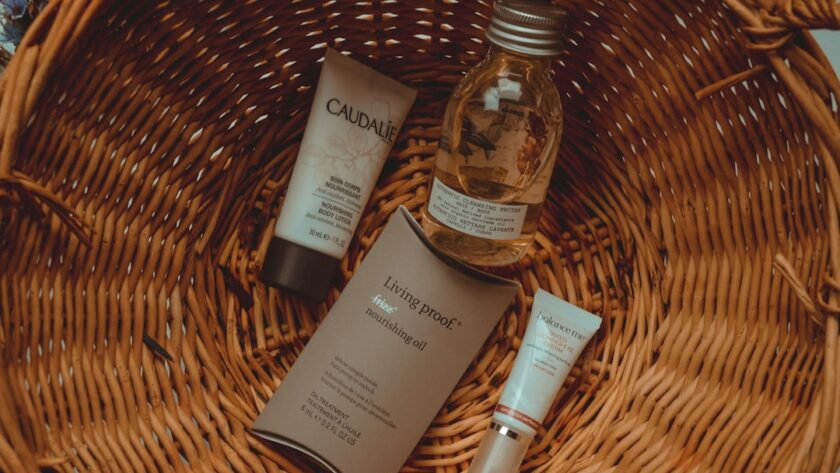
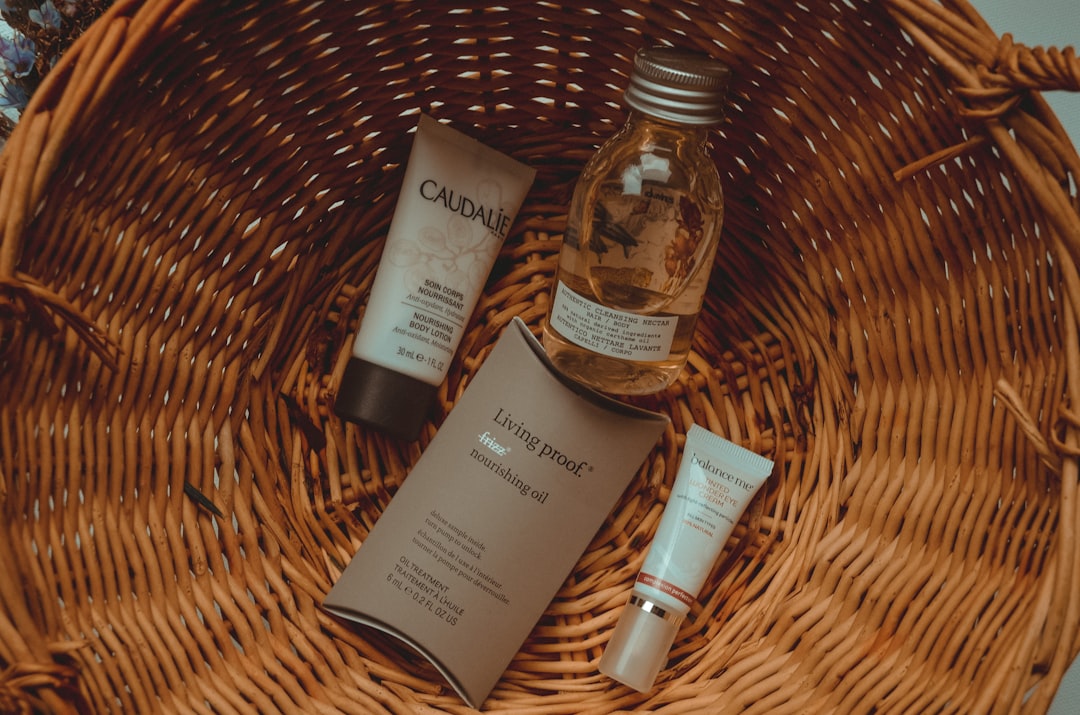
I keep coming back to Simple Skincare Routine because it makes daily care feel clear instead of crowded. I do not need a shelf full of nearly identical bottles. I need a few products I understand, a sequence I can repeat, and enough attention to notice what feels comfortable on my skin. If you like comparing formulas and habits in a calmer way, I also keep notes in Skin Care Thinking.
The appeal of a small routine is not that it looks impressive. It is that it is usable on a tired morning, after a long commute, or late at night when I would rather skip everything and go straight to bed. When a routine is short and clear, I am more likely to keep using it. That matters more than any glossy marketing language on a box.
This article is a practical guide to building a calm daily care habit. I will stay with everyday product selection, texture checks, ingredient awareness, small-area checks, and upkeep habits that fit real life. The goal is not perfection. The goal is a routine that feels steady, comfortable, and easy to repeat.
Simple Skincare Routine: The Core Steps I Rely On
When I say simple, I mean a routine that has a clear job at each step. I do not mean bare minimum for the sake of it, and I do not mean a crowded sequence that tries to do too much at once. A simple routine is selective. Each product earns its place by handling one everyday need without making the shelf complicated.
The base plan is easy to remember. A cleanser helps remove the day. A moisturizer adds comfort and a smoother feel. A daytime sunscreen becomes the final morning layer. That three-step base already covers a lot of ground for ordinary routines. Once that base feels stable, extra steps can be added only if they truly fit your habits.
I like this approach because it creates less decision fatigue. If I have to compare six serums every morning, I will skip the whole process on a busy day. If I know my base steps by heart, I can move through the routine while thinking about breakfast, work, or the weather. That is the real value of a simple setup. It lowers friction.
There is another benefit. A small routine makes feedback easier to read. If my skin feels dry after cleansing, I know where to look. If sunscreen sits oddly under makeup or a shirt collar, I know which step to adjust. When the routine is full of extras, the source of a problem gets harder to spot. Fewer steps create better information.
For most people, the best starting point is not a shopping spree. It is a short audit of what already sits on the shelf. Which products feel pleasant? Which ones get used often? Which ones were bought for an imagined future that never arrived? A simple routine gets stronger when it reflects real habits, not aspirational clutter.
My own rule is simple. If a product works well but I dislike the feel, it will not last. If I enjoy the feel but it clashes with the rest of the routine, it will also fall away. The best product sits in the middle. It feels good, it behaves well, and it makes the next step easier rather than harder.

How I Choose a Cleanser Without Overthinking It
The cleanser is easy to overlook because it does not stay on the skin very long. Still, it shapes how the rest of the routine feels. If the cleanser leaves my face feeling too stripped, the moisturizer has to work harder to restore comfort. If it feels too heavy, the morning routine can start with a dull residue that I do not want.
When I compare cleansers, I look at three things first. I look at the texture while it is still in my hands. I notice how easily it spreads. I pay attention to the feel after rinsing. Those three checks tell me more than a big promise on the label. A cleanser should feel easy to use and easy to rinse away.
Gel, cream, balm, and milk cleansers all behave differently. A gel cleanser often feels light and quick. A cream cleanser can feel softer and more cushioning. A balm is useful when I want to remove heavier makeup or sunscreen at night. A milk cleanser can feel gentle and flexible, especially when I want a lighter wash. None of those options is automatically better. The right one is the one that matches the rest of the routine.
Here is the way I compare cleanser options in practice.
- Does it rinse cleanly? A good rinse keeps the routine feeling fresh.
- Does my skin feel calm afterward? I want comfort, not tightness.
- Does it fit my schedule? A night cleanser can be richer than a morning one.
- Does it work with the products I already use? Compatibility matters more than hype.
- Do I like reaching for it? If the answer is no, I will skip it later.
I also pay attention to fragrance. A strong scent can make a cleanser feel elegant in the store and tiring at home. For some people, fragrance is a pleasant part of the experience. For others, it becomes one more reason to stop using the product. The safest approach is to notice your own preference instead of assuming the label knows best.
One detail I value is how much cleansing a product really does in a single step. Some evenings call for a first cleanse that loosens sunscreen and makeup, followed by a second cleanser that finishes the job. Other nights only need a single gentle wash. The point is to match the routine to the day, not to follow a dramatic script. The cleanser should fit the load, not fight it.
Here is the fastest test I use when I am standing in a store aisle or reading a product page: can I picture using this for a month without getting annoyed? If the answer feels uncertain, I keep looking. Cleanser is one of the easiest steps to overcomplicate, and one of the easiest places to make the routine feel easy again.
Moisturizer Choices That Feel Good in Real Life
Moisturizer is where many routines become either lovely or annoying. If the texture is pleasant, the routine feels settled. If it pills, feels greasy, or sits too heavily, I start looking for reasons to skip it. That is why moisturizer selection deserves more care than people usually give it.
I compare moisturizers by finish, weight, and layering behavior. Finish is what I notice after the product settles. Weight is how much it feels like it sits on the skin. Layering behavior is how the formula behaves under sunscreen, makeup, or just under a shirt collar on a warm day. A product can look good on paper and still feel awkward once the day starts moving.
Some days call for a lighter gel cream. Some days call for a thicker cream that feels more cushioning. I like to keep both in mind, not because I want a big collection, but because weather and schedule change. A humid morning and a dry winter evening do not need the same finish. A simple routine can still adjust without turning into a complicated one.
| Moisturizer type | Best feeling | When I reach for it |
|---|---|---|
| Light gel cream | Quick, fresh, low weight | Warm mornings, humid days, layered routines |
| Classic cream | Balanced, smooth, steady | Most regular days and simple routines |
| Rich cream | Cushioning, more protective feel | Dry indoor air, evening routines, colder weather |
| Gel lotion | Slips on easily, lighter finish | When I want comfort without heaviness |
My own rule is simple. If a moisturizer works well but I dislike the feel, it will not last. If I enjoy the feel but it clashes with the rest of the routine, it will also fall away. The best product sits in the middle. It feels good, it behaves well, and it makes the next step easier rather than harder.
I also look at how a moisturizer handles repeated use. Some formulas feel lovely the first time and dull by the fourth day. Others seem plain at first, then quietly become reliable. I trust the second group more. A calm routine is built on products I can use three days in a row without thinking about them.
Packaging matters more than people admit. A pump feels different from a jar. A tube feels different from a wide pot. If I have to dip into a product with wet hands every night, I may like the formula less just because the format is awkward. Small design details shape whether a routine feels smooth or fussy.
Why Sunscreen Anchors the Morning Routine
Daytime sunscreen is the step that makes the morning routine feel complete. I think of it as the outer layer of the day. It sits near the end of the sequence because it needs to rest on top of the other products and stay comfortable enough for real life. If it feels heavy, sticky, or chalky, the whole routine gets harder to repeat.
When I compare sunscreens, I start with feel, spread, and finish. Feel tells me whether I want to apply it tomorrow. Spread tells me how easily it moves across the skin. Finish tells me whether it leaves a strong sheen, a dry touch, or a soft natural look. These practical points matter more to me than the loudest label language.
There is also the question of where the sunscreen will live in my day. If I leave home early, I want something that dries at a reasonable pace and does not interfere with the rest of my clothes or grooming. If I work indoors, I still want a formula that feels comfortable enough to use consistently. Sunscreen earns its place when it fits the routine without drama.
One thing I like to check is how it behaves with moisturizer. Some formulas glide over a cream without trouble. Others start to pill or drag, which is a sign that the combination is not ideal. A small test before leaving the house saves a lot of annoyance later. I use a product only if it behaves well with the layers already in place.
Another useful check is how sunscreen feels during reapplication, if that is part of your routine. A product that is pleasant in the morning but unpleasant later may still be useful, but it helps to know that in advance. A simple routine gets easier when each product can survive more than the first ten minutes of use.
If you want to keep the routine calm, pair sunscreen with a moisturizer that does not fight it. That means paying attention to texture, not just ingredient lists. The best daytime combination is the one that disappears into the day and lets you move on with everything else.
For me, sunscreen also changes the way I think about clothing, bags, and timing. If the formula leaves a finish I do not like, I notice it all day. If it feels easy, I forget about it after the first few minutes. That is the standard I use for the morning anchor step. It should be present, useful, and not demanding.
Adding One Extra Step Without Turning the Shelf Into Clutter
Once the base routine feels steady, I sometimes add one extra step. I do not add two or three at once. That is how the shelf gets crowded and the routine turns confusing. One extra product can be useful. A whole stack of extras usually becomes a project.
The best optional step has a clear purpose. It might be a gentle serum, a soothing mist, a mask used once or twice a week, or a lip balm placed where I actually remember it. The point is not to build a ritual for its own sake. The point is to add a small amount of support without weakening the simple structure underneath.
To decide whether an extra step deserves a place, I ask a few questions. Does it solve a daily gap? Does it feel comfortable enough to use often? Does it fit in the order I already use? If the answer is vague, I leave it out. In a simple routine, an optional step should feel obvious, not forced.
Here are the types of extras I find easiest to manage.
- A single serum for a specific look or feel, used in a small amount.
- A weekly mask that fits a relaxed evening at home.
- A lip product that lives near the sink, bag, or desk so I actually use it.
- A hand cream that stays beside the bed or keyboard for comfort.
- A travel kit with mini versions of the same core products.
What I try to avoid is the product that solves nothing but feels exciting to buy. That is how routines fill up with bottles that sound useful but do not improve the day. A simple routine can still include variety, but every addition should survive one basic question. Will I want to use this on an ordinary Tuesday, not only on a perfect Sunday morning?
When I add an extra step, I keep the rest of the routine unchanged for a while. That makes the new product easier to judge. If I add too many new things at once, I cannot tell which product felt right and which one caused friction. Slow adjustment is the cleanest way to keep the routine readable.
I also think about storage. If a product needs a special drawer, a special shelf, or a special reminder on my phone, that is a signal. The best additions fit the way I already move through the day. The easier it is to reach for something, the more likely it is to become part of the routine instead of another bottle I admire and ignore.
Morning and Evening Versions That Fit Busy Schedules
The best routine is the one that fits the day I actually live. That means having a morning version and an evening version. They do not need to be identical. In fact, they usually should not be. Morning care is about getting ready to leave the house. Evening care is about clearing the day and making the skin feel settled.
My morning version is usually short. I wash if I need to, apply moisturizer if the skin feels dry or if the weather calls for it, then finish with sunscreen. That is enough for most ordinary days. If I wake up late, the routine still works because it is not built on extra layers that demand more time than I have.
My evening version can be a little more generous. If I wore sunscreen or makeup, I like a cleanser that removes the day without making the skin feel squeaky. Then I use moisturizer that feels more cushioning than the daytime version. If I want to add one extra step, evening is the better place for it because the product does not need to survive the whole day.
A split routine is useful because it respects energy levels. I am usually more patient at night than in the morning. I am also more likely to notice how the skin feels after a full day. That makes evening the best time for a richer moisturizer, a gentle rinse, or an occasional mask. Morning should stay quick enough that I do not talk myself out of it.
Here is the kind of schedule that keeps the routine realistic.
- Busy morning – rinse or cleanse, moisturize if needed, sunscreen, leave.
- Regular morning – cleanse, light moisturizer, sunscreen, then clothes and shoes.
- Busy evening – cleanse well, apply moisturizer, keep it short, go rest.
- Quiet evening – cleanse, extra comfort step if useful, richer moisturizer, then stop.
That separation keeps the routine from becoming overly ambitious. A simple daily care habit should make life easier, not give me more tasks to defend before bed. If a step does not fit the schedule, it belongs in the optional section or not at all.
I also like to keep the evening version forgiving. Some nights I have the energy for a full sequence. Some nights I only want the basics. A routine that still works in both moods is the kind that survives long term. That is what I care about more than an impressive lineup of products.

Ingredient Awareness and Label Reading Without the Noise
Ingredient awareness matters, but I do not read labels like a competition. I look for a few things that affect comfort and compatibility. The question is not how many impressive words are on the back. The question is whether the formula suits my skin, my preferences, and my routine.
For me, the first clues are often texture clues. A product with a short ingredient list can still feel odd. A product with a longer list can still feel pleasant. That is why I do not judge formulas only by the number of words. I care more about how they behave in use than how they look in a marketing image.
Some ingredients are commonly noticed because of their texture, scent, or skin feel. Humectant-style ingredients often add a watery, cushiony sense. Emollient-style ingredients can make a formula smoother and softer. Occlusive-style ingredients can make a product feel more sealing or protective. I do not need to memorize a chemistry chart. I just need enough awareness to know why a product feels the way it does.
When I read a label, I look for a short set of practical questions.
- Does the formula include a fragrance I know I enjoy or dislike?
- Does the texture list hint at a light or rich finish?
- Will the product layer well with the rest of my routine?
- Does the packaging suggest something that will be easy to use daily?
- Does this product offer something different, or is it just another version of what I already own?
The goal is to become a calm reader of labels, not a collector of jargon. I want enough knowledge to make sensible choices, not so much noise that every purchase feels like research. A small routine becomes easier to keep when I know which ingredients and textures help the products fit together.
I also like to notice what a label does not say. If the product is trying to do too many things at once, I get cautious. When a formula has a clear purpose, I can place it in the routine more easily. Simplicity on the label often pairs well with simplicity on the shelf.
This is also where I slow down and compare the part that seems exciting with the part that seems practical. Many products sound appealing in a description. Fewer feel genuinely useful on an ordinary weekday. That gap is where careful reading helps. I do not need a stack of claims. I need a formula that fits my habits and feels easy to repeat.
Patch Testing, Comfort Signals, and Small-Space Checks
Before I bring a new product into the full routine, I prefer a small-area check. I use it as a limited check, not as a grand verdict. The point is simply to see how the product feels on a small area before I decide whether it deserves a larger role. That habit can save time, money, and annoyance.
I keep the check calm and simple. I apply a small amount to a limited area, then I wait and notice the response over time. I am not looking for fireworks. I am looking for comfort, consistency, and a normal feel. If the product seems fine in the test area and also fits the rest of the routine, that is a good sign. If it feels off, I stop there and move on.
Comfort signals matter as much as ingredient awareness. A product can look elegant and still feel wrong. It can smell pleasant and still sit oddly on the skin. It can have a useful purpose and still be frustrating to use. My own habit is to notice how a product feels during application, after it settles, and after a full day or night.
These are the signals I pay attention to most.
- Sting or discomfort that shows up quickly or keeps returning.
- Sticky residue that makes me want to wash again.
- Pilling when the product rolls up under the next layer.
- Heavy film that feels fine for a moment but tiring later.
- Easy comfort where the product disappears into the routine.
I like this kind of checking because it keeps the routine honest. I do not need a dramatic reaction to know that a product is not a fit. Small discomfort repeated over several days is enough information. On the other hand, a product that feels easy right away and stays easy is worth keeping around.
If something feels persistently off, I stop using it and, when needed, speak with a dermatologist. That is not about chasing a verdict from the shelf. It is about staying sensible with comfort and getting professional advice when a product clearly does not fit. A simple routine is supposed to feel livable, not stubborn.
One trick I use at home is to test only one new product at a time. If I add two or three changes at once, I lose the ability to read the result. The cleaner the trial, the easier the decision. That rule saves me from a lot of guesswork.
Weekly Maintenance, Seasonal Swaps, and Travel Versions
A simple routine works best when I check it once in a while. I do not need to reorganize it every week, but I do need a small review now and then. A five-minute shelf check can show whether the routine still fits my schedule, the weather, and the products I actually reach for.
My weekly check is practical. I ask which product I used most, which one sat untouched, and which one made the routine smoother. I also notice whether the texture still feels right. Some formulas feel lovely at first and then start to feel too much. Others seem plain and keep proving useful. The weekly review helps me notice that difference before clutter builds up.
Seasonal changes matter too. In dry indoor air, a richer moisturizer may feel better. In humid weather, a lighter formula may keep the routine more comfortable. I do not see those changes as failures. They are just ordinary adjustments. A routine that can shift with the season is more likely to stay in place for months.
Here is a simple maintenance checklist I use.
- Check which products are still used without hesitation.
- Set aside anything that feels redundant or awkward.
- Swap textures when the weather shifts.
- Revisit the morning version if it starts to feel slow.
- Keep the evening version short enough for tired nights.
I also like to keep a small travel version of the same routine. Not every trip needs the full shelf. A mini cleanser, a small moisturizer, and sunscreen are often enough to keep the habit stable away from home. That kind of portability is one reason simple routines last. They are easier to pack, easier to repeat, and easier to remember.
The maintenance mindset is quiet, but it saves a lot of energy. Instead of waiting until the shelf is confusing, I make small adjustments while the routine is still easy to read. That keeps the habit feeling calm rather than reactive.
When I travel, I try to keep the lineup familiar. New cities, new weather, and new hotel lighting can make the skin feel different, so I like at least one or two trusted items in the bag. Familiarity lowers the mental load. It also keeps the routine from becoming another thing I have to solve while I am trying to rest.
Common Mistakes and the Fastest Way to Reset
The biggest mistake I see is starting with too many products. It is tempting to buy several items at once because each one sounds useful in the moment. The problem is that the routine quickly becomes hard to use and even harder to judge. I do better when I build from a small base and add only one new item at a time.
Another common mistake is choosing products by description instead of by feel. A formula can sound ideal and still be uncomfortable on the skin. A label can look elegant and still be awkward to apply. I try to remember that daily use decides everything. If I do not enjoy reaching for a product, it will probably fade out of my routine.
There is also the habit of copying someone else’s lineup without checking whether it fits my day. A product that works beautifully for one person may feel too heavy, too light, or too fussy for another. My own schedule, climate, and comfort preferences matter more than a polished photo.
When the routine starts to feel messy, I reset it in the simplest possible way.
- Remove the extras and keep only the base steps.
- Use the cleanser, moisturizer, and sunscreen for a few days.
- Notice which part of the base feels weak or inconvenient.
- Add back only one extra product if it clearly fills a gap.
- Leave the rest out until I am sure they are worth the space.
This reset is usually enough. I do not need to rebuild the whole shelf. I just need to lower the noise so the useful products can stand out again. A simple routine is strongest when it can return to a clean base without drama.
Another reset trick is to move products around physically. When I place the items I use every day in one easy-to-see spot, the routine becomes more natural. The less hunting I do in the morning, the more likely I am to complete the steps I actually want to keep.
What I trust most is the calm shelf. The routine does not have to be exciting every day. It only has to be steady, comfortable, and clear enough that I can repeat it tomorrow without thinking about it for long. When the shelf is calm and the order makes sense, daily care starts to feel less like a task and more like a small habit that keeps itself going.