Your skin tells your story. Make it a beautiful one.
Have you ever looked in the mirror and wondered why your skincare routine isn’t delivering the results you expected? You’re not alone. Millions of people invest time and money into beauty products without understanding the fundamental principles that make skincare truly effective.
Here’s the truth: achieving radiant, healthy skin isn’t about using the most expensive products or following the latest trends. It’s about understanding your skin, respecting its needs, and building consistent habits that support its natural functions.
In this comprehensive guide, we’ll explore the essential aspects of skincare that everyone should know—from the basics of cleansing to the often-overlooked factors that can make or break your beauty routine.
Understanding Your Skin Type: The Foundation of Effective Skincare
Before investing in any product, you must first identify your skin type. Using products designed for a different skin type can cause irritation, breakouts, or premature aging.
The four main skin types:
To determine your skin type, wash your face with a gentle cleanser, wait one hour without applying any products, then observe how your skin feels and looks. This simple test will guide all your future skincare decisions.
The Golden Rule: Never Skip Sunscreen
If there’s one piece of advice that dermatologists universally agree on, it’s this: sunscreen is non-negotiable.
UV radiation is responsible for up to 80% of visible skin aging. Those fine lines, dark spots, and loss of elasticity you’re trying to combat? Most of it comes from sun exposure, not age itself.
Sunscreen best practices:
Many people skip sunscreen because they dislike the greasy feeling. The good news? Modern formulations include lightweight, invisible options that work beautifully under makeup.

The Power of Proper Cleansing
Cleansing seems simple, but it’s where many people go wrong. Both under-cleansing and over-cleansing can damage your skin barrier and lead to various problems.
Common cleansing mistakes to avoid:
Consider the double-cleansing method: start with an oil-based cleanser to remove makeup and sunscreen, followed by a water-based cleanser to clean the skin itself. This technique, popular in Korean skincare, ensures thorough cleansing without stripping.
Hydration: Inside and Out
Beautiful skin starts from within. No amount of expensive serums can compensate for chronic dehydration.
Internal hydration:
External hydration:
Remember: even oily skin needs hydration. When skin is dehydrated, it often overproduces oil to compensate.
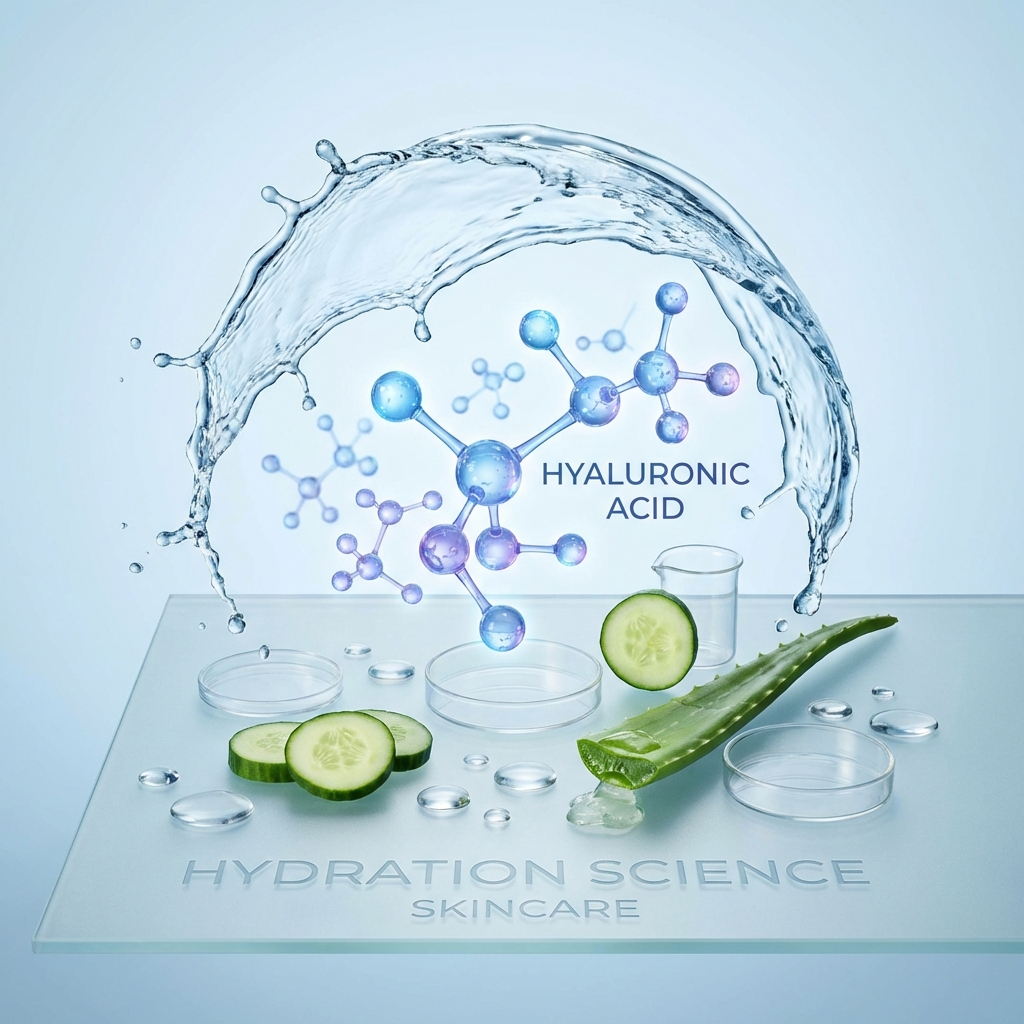
The Ingredient Spotlight: What Actually Works
The skincare market is flooded with products making bold claims. Here are the ingredients backed by scientific research:
For anti-aging:
For hydration:
For acne:
When introducing new active ingredients, start slowly. Use them every third night initially, then gradually increase frequency as your skin builds tolerance.
Sleep: The Most Underrated Beauty Treatment
There’s a reason it’s called “beauty sleep.” During deep sleep, your body releases growth hormones that accelerate cell regeneration and increase collagen production.
Sleep-related skincare tips:
Chronic sleep deprivation leads to increased cortisol levels, which breaks down collagen and accelerates aging. Prioritizing sleep is one of the most effective anti-aging strategies available.
Diet and Skin Health: You Are What You Eat
What you put in your body shows on your skin. Certain foods promote inflammation and breakouts, while others support a clear, glowing complexion.
Foods that support healthy skin:
Foods to limit:
Consider keeping a food diary to identify any connections between your diet and skin flare-ups. Everyone’s triggers are different.
Stress Management: The Mind-Skin Connection
Your skin and brain share a common origin in the ectoderm during fetal development, creating a powerful connection between mental health and skin health.
Stress triggers cortisol release, which:
Stress-reduction strategies for better skin:
Building Your Routine: Less Is Often More
A complex, 12-step routine isn’t necessary for beautiful skin. In fact, using too many products can overwhelm your skin and cause irritation.
A simple but effective routine:
Morning:
Evening:
Start with these basics, then add specialized treatments based on your specific concerns. Give each new product at least 4-6 weeks before judging its effectiveness.
Final Thoughts: Patience and Consistency
The secret to beautiful skin isn’t a magic product—it’s patience and consistency. Skin cells take approximately 28 days to turnover (longer as we age), meaning you won’t see dramatic results overnight.
Commit to your routine for at least three months before making major changes. Take progress photos in the same lighting conditions to track improvements you might not notice day-to-day.
Remember: your skin is unique. What works for your friend or favorite influencer may not work for you. Listen to your skin, adjust your routine as needed, and don’t hesitate to consult a dermatologist for persistent concerns.
Beautiful skin is a journey, not a destination. Start today, stay consistent, and trust the process.
Your skin protects you every single day. Return the favor by giving it the care and attention it deserves.