A Practical daily grooming routine for Busy Mornings
A daily grooming routine works best when it feels almost boring: simple enough to repeat, short enough to finish, and clear enough that you do not have to negotiate with yourself every morning. The point is not to build a perfect beauty ritual or a complicated shelf full of products. The point is to look clean, feel organized, and leave the house without that half-finished feeling that hangs around when the basics are missing.
That is why a good routine should do more than make you look presentable for an hour. It should make the start of the day easier, lower the number of decisions you need to make, and give you a reliable sequence you can follow on autopilot. If you want a broader overview of grooming habits, you can also browse more guides at Grooming Health Plan.
The best version of this routine is not the longest one. It is the one that survives real life, including rushed mornings, late nights, gym days, travel, and the occasional week when everything feels slightly chaotic. Once you build that version, the rest becomes much easier to maintain.
Why a daily grooming routine works better than a last-minute scramble
A last-minute scramble usually looks harmless on paper. You wake up, move quickly, and hope the mirror cooperates. The problem is that rushed grooming tends to create more friction than it removes. You forget one step, overdo another, and leave the house with the sense that something is off, even if no one else can name it. A steady routine fixes that by turning the basics into a sequence instead of a debate.
There is another benefit that gets overlooked. A routine lowers the mental noise around appearance. When your products live in one place, your tools are easy to grab, and your steps happen in the same order most days, your morning becomes smoother before you even think about style. That calm matters. People often read it as confidence, but it is really just consistency wearing a cleaner outfit.
The routine also helps when life changes. New job, new city, new schedule, new haircut, same pressure. If your daily habits are built around repeatable actions, you do not need to redesign your whole morning every time your calendar shifts. You simply shorten or lengthen the sequence. That flexibility is more useful than any perfect product stack.
Think of it this way. A strong grooming routine should do three things:
- Reduce the number of decisions you make before breakfast
- Keep the tools you need within easy reach
- Leave you looking finished, even on a normal day
If your current routine does not do those three things, it is probably too complicated, too vague, or too dependent on mood. The fix is not more effort. The fix is a better structure.
Start with the shortest version you can repeat
Before you build a full routine, build the shortest possible version you can actually stick to. This is the version for mornings when you overslept, the sink is crowded, or the day begins before your brain does. If the short version works, the longer version becomes a bonus rather than a burden.
A simple five-minute baseline might look like this. Wash your face, brush your teeth, apply moisturizer, run a comb or brush through your hair, and check the visible details such as collar, sleeves, and nails. That is enough to make a difference. It is not glamorous, but it is dependable, and dependable wins far more mornings than ambitious.
Then build upward from there. If you have ten minutes, add shaving or beard shaping, deodorant, light fragrance, and a quick clothes check. If you have fifteen to twenty minutes, you can add a slightly more careful shower, a fuller hair routine, or a more deliberate skin care step. The point is to scale the routine without changing its identity.
One helpful approach is to create two versions of the same sequence:
- Emergency routine for chaotic mornings
- Full routine for normal days
Both should follow the same order. The emergency version should simply remove the optional extras. That way, your body learns the pattern once, and your brain does not have to learn two different systems. It is much easier to stay consistent when the short version feels like a trimmed-down copy of the main one instead of a different routine altogether.
For most people, this is the turning point. Once the shortest version is clear, the rest of the routine becomes a matter of layering, not reinventing. That is how grooming starts feeling easier instead of heavier.
Build the face and skin sequence first
The face is usually the first thing people notice, which is why it deserves the first real sequence in the routine. The order matters more than people think. When the steps happen in the same flow, the whole process feels smoother, and you are less likely to forget a detail that changes how finished you look.
A practical sequence starts with cleansing or rinsing the face, especially if you woke up oily, sweaty, or dry from sleeping in a warm room. Follow that with shaving or beard care if needed, then add moisturizer while the skin is still slightly damp. If you use a daytime SPF product, that usually comes last in the face sequence. The goal is not to layer everything available. The goal is to use only what your skin actually needs that morning.
People often make face care harder by overthinking it. They buy separate bottles for every possible issue, then use none of them with confidence. A better approach is to keep the routine tied to sensation and season. If your face feels tight after washing, use a richer moisturizer. If your skin feels greasy by midday, keep the cleanser simple and lighter. If the air is dry, pay attention to hydration and texture. The routine should respond to reality, not internet trends.
Here is a clean order that works for many people:
- Rinse or cleanse
- Shave or shape facial hair if needed
- Apply moisturizer
- Use SPF in the daytime if that fits your routine
- Check for leftover product around the hairline, nose, and jaw
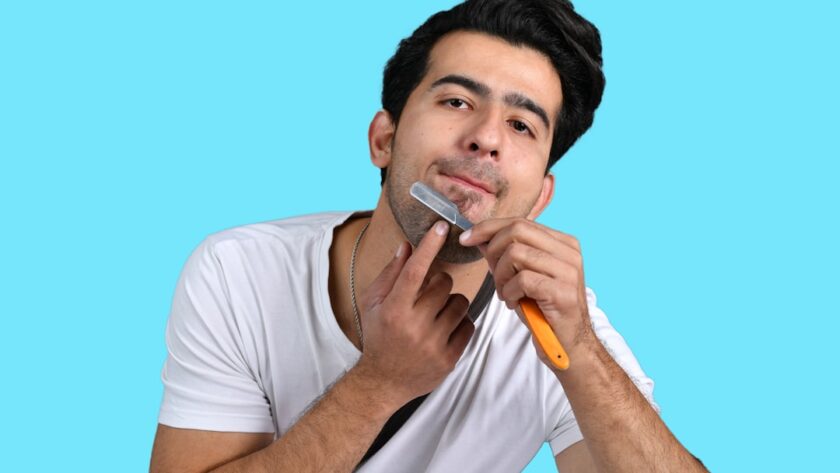
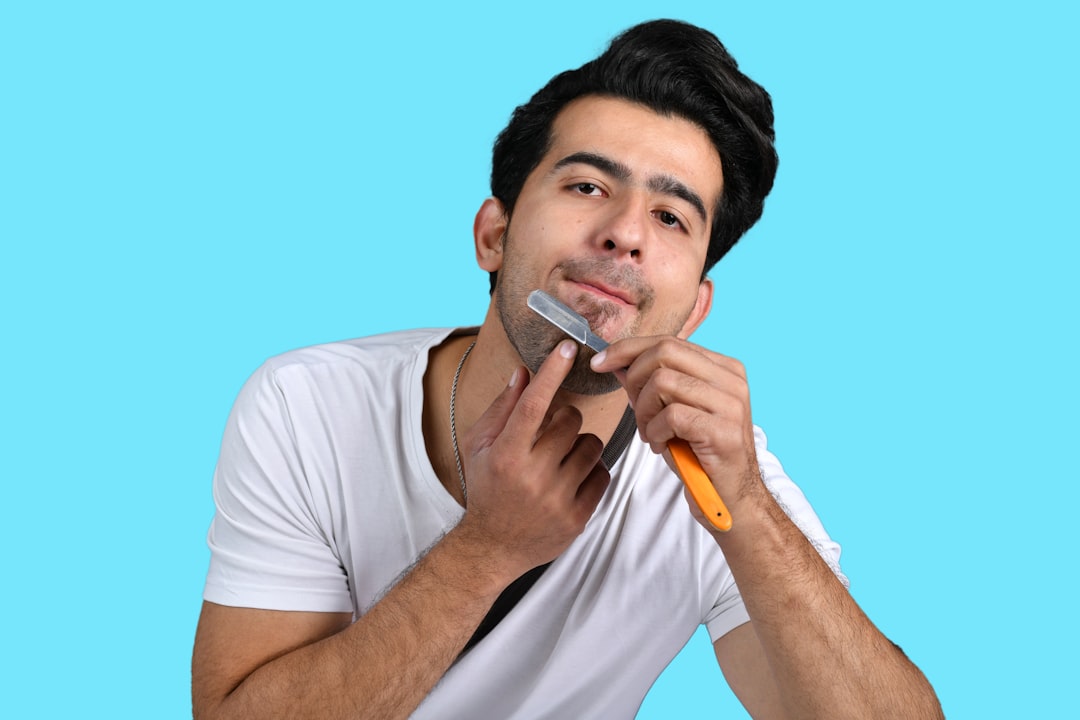
Small details matter here. If you shave, take an extra moment to look at the neck and around the mouth. If you wear facial hair, keep the edges tidy enough that the shape looks intentional. If you do not shave, make sure your face still looks clean and awake. A healthy face routine is not about chasing flawlessness. It is about making your face look cared for before the rest of the day starts asking questions.
Hair, beard, and neckline details that change the whole look
Hair and beard work like framing. Even when everything else is fine, messy edges can make the whole look feel unfinished. That is why hair and beard maintenance belong inside the daily grooming routine, not outside it. You do not need to restyle everything every morning. You do need a simple way to keep the shape from drifting.
For hair, the daily task is usually small. A quick brush, a bit of water, a touch of product if your hair needs it, and a check for flat spots or stray pieces. The trick is not using more product. The trick is using just enough to restore shape without making the hair look stiff or heavy. If your style is short, a fast brush-through may be enough. If your hair is longer, a little planning the night before saves time in the morning.
For beard wearers, the daily job is usually about edges and balance. You do not have to trim every day, but you should know what the beard is doing. Does the cheek line still look clean? Is the neckline starting to disappear? Are there patches that need a quick comb or a small amount of oil? These little checks keep the beard from looking accidental.
Here is a useful rule. If a detail is visible from one step away, it belongs in the daily check. If it is visible only under close inspection, it probably belongs in the weekly upkeep. That keeps the routine realistic.
Good beard and hair care usually includes some version of the following:
- A comb or brush kept in the same place every day
- A light styling product used sparingly
- A shape check around the sides, temples, cheeks, and neckline
- A mirror angle that shows the profile, not just the front
When people say someone looks put together, this is often part of what they mean. The hair and beard do not look as if they were guessed. They look maintained. That is a small difference with a big effect.
Shower, body, and hands without overcomplicating it
The shower is where a lot of routines either become easy or start to sprawl. Some people treat it like a product lab. Others rush through it and miss the basic reset that makes the rest of the morning feel better. A good daily grooming routine sits in the middle. It should leave you clean, comfortable, and ready, without turning every morning into a long event.
Shower habits can stay simple. Use a body wash that does the job. Shampoo or co-wash hair as needed, not just because the bottle is there. Dry off with enough care that you are not dressing while still damp. If your skin gets dry, keep a body lotion nearby and use it after the shower, especially on areas that feel tight or rough. Small, steady care usually does more than occasional overcorrection.
Hands deserve more attention than they get. People notice hands when you shake them, gesture while talking, hold a cup, or use a phone. Keep nails trimmed, clean the edges, and make sure the skin around the fingers is not rough from neglect. If your hands take a beating from work, tools, or weather, a little lotion at night can make the morning look cleaner.
Foot care can stay discreet but still matter. Fresh socks, dry feet, and shoes that are aired out on a schedule all help the routine feel more complete. You do not need a full spa setup. You need to avoid the look and feeling of being half-finished.
A simple body sequence might look like this:
- Shower at a consistent time that fits your schedule
- Dry fully before dressing
- Use deodorant after the skin is dry
- Apply lotion where the skin feels dry or tight
- Check hands, nails, and sleeves before leaving the bathroom
This is not about chasing a perfect body routine. It is about making sure the visible basics match the effort you want the rest of the day to reflect.
Breath, teeth, nails, and the small things people notice
The smallest details are often the ones that shape first impressions. People rarely announce them, but they feel them. Breath, teeth, nails, collar seams, and stray lint can quietly change how polished you seem. That is why a daily grooming routine should treat the small details as part of the main event, not as optional extras.
Teeth care is the obvious place to start. Brush well, not hurriedly. Use floss or interdental cleaning if that is part of your normal routine. Clean the tongue when needed, since freshness is not only about the teeth themselves. Mouth care is one of the easiest places to look more awake without changing your whole style.
Breath is often improved by the basics: water, mouth care, and not letting the whole morning happen on an empty, dry mouth. A quick sip of water, a balanced breakfast, and a little attention to timing can make a major difference. The goal is simple. You want your breath to match the rest of the grooming effort instead of working against it.
Nails and cuticles matter more than many people expect. A clean, short nail edge looks intentional. A jagged edge or dirt under the nails makes the whole hand look neglected, even when the rest of you looks fine. Keep a nail clipper, file, and small cleaning brush in the same place. Then use them before the situation gets obvious.
Other small checks belong here too:
- Eyebrows that need a quick tidy
- Glasses that need a wipe
- Lint on dark clothing
- Stuck hair around the ears or neckline
- Dry lips that need a plain balm
These details do not need to be dramatic. They just need to be present. A routine that handles the small things is usually the routine that looks complete from a few feet away and from across the room.
Choosing products without turning the shelf into a museum
Product clutter is one of the fastest ways to make grooming feel exhausting. Too many bottles create hesitation. Too many half-used tools create confusion. The shelf starts looking active, but the routine itself gets less clear. That is why product choice should aim for simplicity, compatibility, and easy storage.
The simplest rule is one product per job. One cleanser. One moisturizer. One hair product that fits your style. One deodorant you will actually use. One fragrance you enjoy in small amounts. If you have two or three versions of the same item and keep switching between them, the routine becomes a small research project every morning.
Choose products based on use, not novelty. Ask a few honest questions. Does this fit my schedule? Does it feel comfortable on my skin or hair? Can I reach it without moving five other things? If the answer is no, the product may be interesting but not useful.
Storage matters as much as the products themselves. Keep daily items grouped by action. Face products together. Hair tools together. Shower items together. Small maintenance tools together. That layout means you can move through the routine without searching. Searching is what turns a five-minute process into a twelve-minute one.
A useful grooming shelf often looks surprisingly plain:
- One face wash or cleanser
- One moisturizer
- One shaving or beard tool set
- One hair product
- One deodorant
- One fragrance, used lightly
- One grooming kit for nails and edges
Buying less can actually make you look more consistent because you use what you own more often. That is the quiet advantage. The routine stops depending on mood, and your setup starts doing some of the work for you.
Match the routine to the kind of day you actually have
Not every morning asks for the same amount of effort. A workout day, a work-from-home day, a client-meeting day, and a weekend errand day all need slightly different versions of the same routine. The real skill is not forcing one setup onto every day. The skill is adjusting the routine while keeping the structure intact.
On a workday with normal timing, you might do the full sequence. Clean face, hair in place, beard or shave check, deodorant, clean clothes, breath and nails checked, then out the door. On a crowded morning, you may only need the emergency version. Wash, moisturize, brush, quick hair reset, clothing check, done.
Gym days are their own category. Some people like to shower before leaving the house. Others shower after. Either way, the grooming routine should account for sweat, bags, shoes, and the way post-workout skin or hair feels. Keep a small kit in the bag if that helps. Travel days need something similar, since hotel mirrors and unfamiliar sinks are not the best place to improvise.
Even social plans can have a lighter or sharper version. A dinner, date, or event usually asks for a little more attention to scent, clothes, and facial hair edges. That does not mean changing who you are. It means finishing the look with a bit more care than you would on an ordinary Tuesday.
Try thinking in templates:
- Low-effort day — basics only
- Normal day — full routine
- High-stakes day — full routine plus extra clothing and detail checks
- Travel day — portable version with fewer items
This kind of planning removes the guesswork. Instead of asking what to do each morning, you already know which template fits the day. That small bit of structure saves more time than most people expect.
Weekly upkeep that keeps the daily routine light
A daily grooming routine gets easier when the weekly upkeep is handled on time. If the weekly work slips, the daily steps become heavier, because you are trying to solve a seven-day problem with a one-day fix. The answer is to use a light weekly reset that keeps the whole system from drifting.
This weekly reset can be short. Clean brushes and combs. Refill or replace anything running low. Trim nails. Check the beard or hairline more carefully. Wash towels, pillowcases, and any cloth that collects product or oil. Wipe bathroom surfaces so the tools stay easy to reach. These tasks do not need to take long, but they do need to happen often enough to keep the routine clean.
Weekly upkeep also includes noticing wear and tear in the routine itself. Is one product nearly empty? Is a razor dull? Has the comb disappeared into a drawer? Is the storage area so crowded that you now skip steps? These are small issues, but they quietly slow everything down if ignored.
Another useful weekly habit is checking your schedule for the next few days. If you know a busy week is coming, prepare the easier version of the routine in advance. Put the travel kit where you will actually see it. Lay out clothing. Replace the bottle you know will run out. Grooming feels lighter when the future version of you is not starting from zero.
A simple reset list might include:
- Trim nails and tidy edges
- Clean tools and brushes
- Wash towels and pillowcases
- Restock common items
- Check hair or beard shape more carefully
- Remove clutter from the grooming area
The routine stays easy because the upkeep prevents the system from getting tangled. That is the kind of maintenance that pays off quietly.
The mistakes that make grooming feel harder than it is
Most grooming frustration does not come from a lack of effort. It comes from a few habits that create friction. The good news is that these habits are easy to spot once you know where to look. The bad news is that they often feel productive while making the routine harder.
The first mistake is buying too many products. More choices rarely help in the morning. They slow you down, create doubt, and make the shelf look more impressive than the routine actually is. If you find yourself asking which bottle to use every day, the setup is too crowded.
The second mistake is changing the routine every few days. One week you are using a new cleanser, the next week a different hair cream, then a different brush, then a different fragrance. That kind of rotation can make it hard to learn what actually works. Give a routine enough time to settle before deciding whether it deserves a place.
The third mistake is treating grooming as something you do only when you have plenty of time. That creates a false standard. On days when time is tight, the basics become skipped instead of shortened. A better approach is to keep the routine modular, so the important steps still happen even when the schedule does not cooperate.
Other common mistakes are easier to fix:
- Leaving tools scattered instead of grouped
- Using too much fragrance
- Forgetting to dry properly before dressing
- Ignoring collars, cuffs, and lint
- Thinking the daily routine has to do everything
If you notice one of these patterns, do not overhaul everything at once. Tighten one part of the routine and leave the rest alone for a week. That is often enough to make the whole process feel calmer and easier to repeat.
A simple system for staying consistent
Consistency is where the routine becomes useful. A good plan on paper means very little if it only works on your best mornings. The goal is to make the grooming sequence so familiar that it feels like part of waking up, not an extra task you have to convince yourself to do.
Habit stacking helps a lot here. Tie a grooming step to something that already happens every day. Brush teeth after the shower. Moisturize after drying your face. Check nails after shaving. Put on deodorant before getting dressed. These links reduce the amount of thinking needed to move from one step to the next.
Visual cues help too. Keep the brush visible. Keep the nail kit in the same spot. Keep your moisturizer next to the cleanser instead of across the room. When the routine is easy to see, it is easier to start. When the routine is easy to start, it is easier to repeat.
It also helps to keep an emergency kit. One small bag with a comb, deodorant, nail file, lip balm, floss picks, and a travel-size product or two can save a rough morning. The kit does not need to be fancy. It just needs to exist and stay stocked.
If you like structure, make a short checklist and keep it where you will notice it. If you like a lighter approach, keep the sequence in your head and use the same order every day. Either way, consistency comes from repetition, not intensity. The less dramatic the routine feels, the more likely it is to last.
And that is really the whole point. A daily grooming routine should not make you feel like a different person. It should make the version of you that already exists easier to see. When the basics are clear, clean, and repeatable, everything else has a better place to land.
The routine does not need to be impressive. It needs to be available tomorrow morning, and the morning after that.